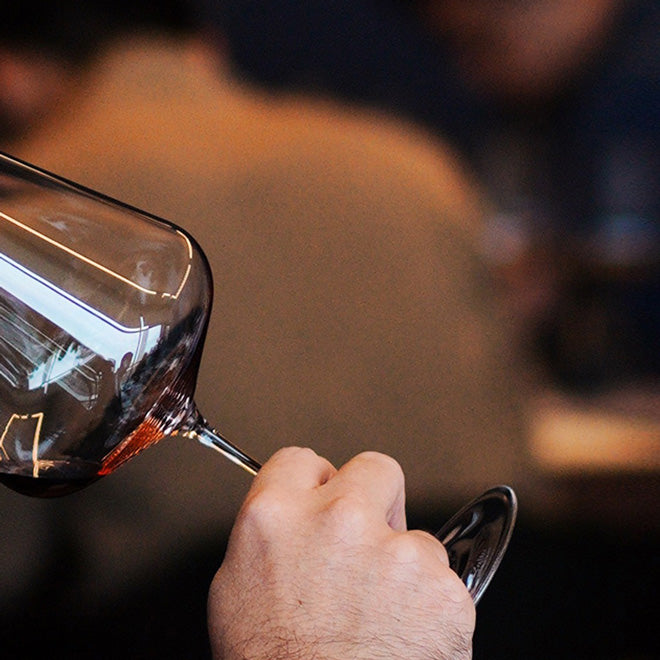
Singapore collectors face tough choices when it comes to fine wines. High humidity often spoils delicate bottles quickly in this climate. Sake brings wine-level prestige while handling SG heat much better.

What Makes Sake Special
Sake is not just a simple rice wine, as many would have it. The process begins with brewers polishing high-quality sake rice, such as yamadanishiki, to remove the outer layers and expose the pure starch. They then steam this rice and mix it carefully with koji mould to kick off fermentation.
The Brewing Process Explained
The brewing process of every shuzo is accurate, which distinguishes sake from wine. The rice starch is then transformed into sugar via a process called koji mould, and the sugar is fermented into alcohol by yeast over 20-30 days. It is brewed in three phases using fresh rice, koji, and water, with the temperature kept low to produce a clean, balanced flavour.
Key Sake Terms to Know
Collectors quickly learn key terms that signal quality in Japanese sake. A shuzo represents the brewery where master brewers perfect their craft. Terms like brew, yeast, and koji appear on labels and help identify premium sake worth adding to collections.
How Sake Complements Traditional Wine Collections
Sake complements traditional wine collections without replacing them. Junmai daiginjo offers fruity notes that pair well with existing bottles, while Junmai ginjo delivers smooth umami for variety. In Singapore, collectors value how sake thrives at room temperature without the need for special cellars.
Why Singapore Collectors Choose Sake
More collectors in Singapore expand into sake for smart reasons tied to local life. Premium sake in Singapore fits tight storage spaces and survives public holiday entertaining without spoiling. Tasting notes from top sommeliers impress guests at dinner parties.
Why Sake Enhances Your Singapore Dining
Sake elevates Japanese cuisine from sashimi to tempura with its chill-friendly profile. Southeast Asian dishes gain balance from sake's acidity, cutting through spice effectively—western light proteins and shellfish pair beautifully with premium sake's umami.
Sake's Food Pairing Power
Sake shows exceptional versatility across different cuisines and food pairings. Chilled ginjo pairs perfectly with sashimi or tempura, while its umami enhances grilled fish with bright acidity. Even Asian fusion dishes like laksa find balance with sake's clean profile.
Premium Sake Brands Curated for Singapore Collectors
Dassai stands out with its junmai daiginjo in elegant 720ml bottles. Kokuryu masters traditional kimoto methods for rich depth, while Juyondai remains rare and highly sought after. Sake Hundred earns praise from sake competitions, and Niizawa from Akita brings regional character.
Bottle Sizes That Work Well
Begin with decent amounts, such as 720ml or 750ml, to drink daily. The bigger 1800ml bottles are suitable for a party, and the smaller 250ml or 300ml bottles are where you can test new fashions. SG official product labels on 700ml bottles guarantee authentic sourcing from top shuzo.
How PIVĒNE Supports Your Sake Collection Journey
PIVĒNE sommeliers provide personalised recommendations matched to your palate and collection goals. Our curated premium sake selections feature Dassai and Niizawa, often unavailable elsewhere in Singapore. Enjoy free chilled delivery over $200 to keep every bottle in perfect condition.
Getting Started: Your First Premium Sake Purchases
Junmai daiginjo makes a strong yet approachable first purchase at 720ml. Junmai ginjo eases collectors into premium sake with a reliable flavour. Ranbiki offers versatile tasting notes that build confidence quickly.
Wrapping Up
Sake is a natural continuation of upscale wine-collector culture in Singapore. Premium selections from top breweries deliver distinct flavour journeys worth savouring. PIVĒNE's sommelier expertise removes all barriers to building your exceptional sake collection today.