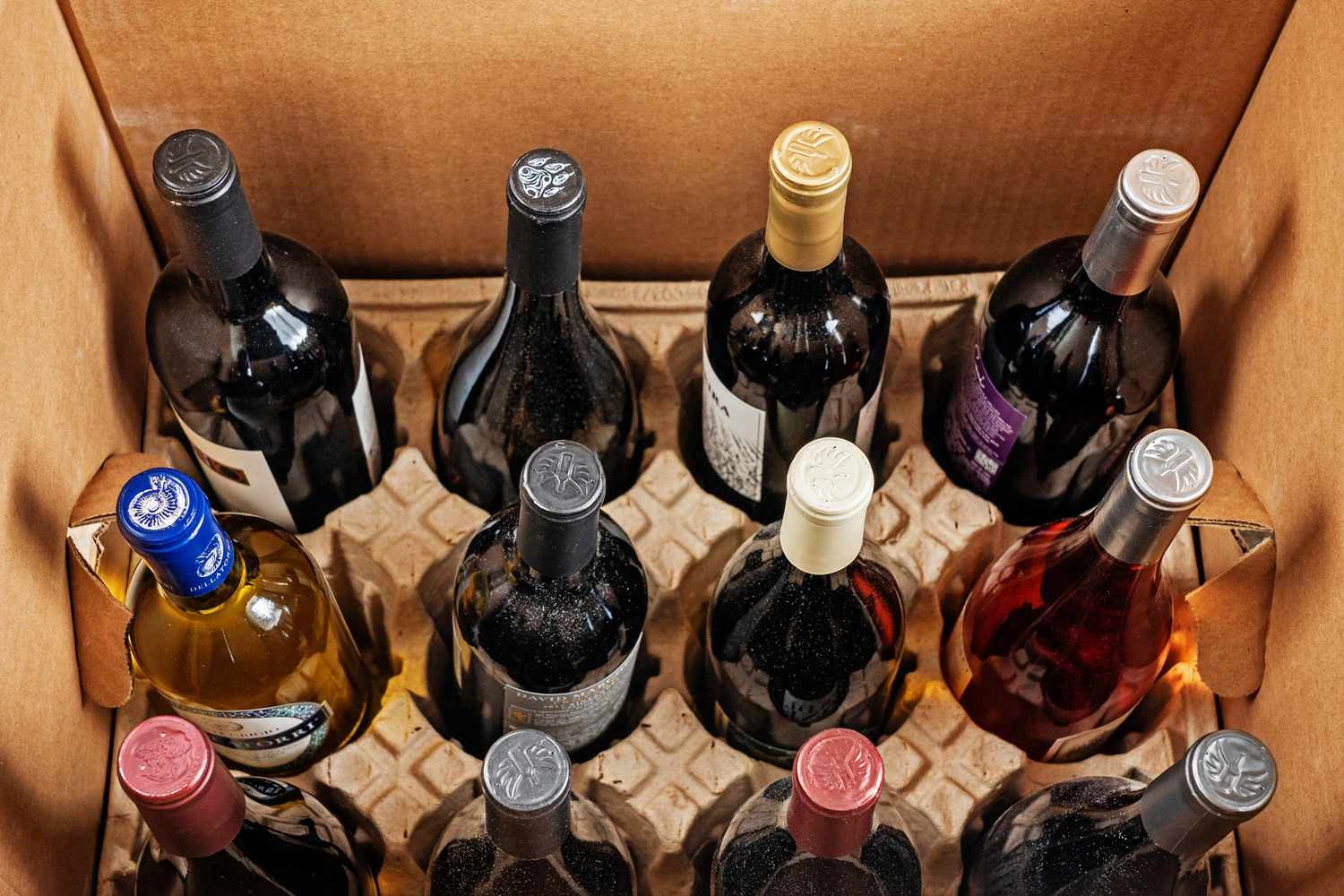
Have you ever been in the wine aisle and felt totally lost? You look at hundreds of bottles, and they begin to look all the same. Anyone who is trying to get a good drink is familiar with this struggle.
You may take home the bottle with the gold foil that is the shiniest or the most fabulous artwork. A gorgeous label can contain an amazing wine, such as the artistic Donnafugata bottles. However, in so many instances, the shiny wrapping on a supermarket shelf only conceals a stale, mass-produced liquid.
 We just want to help you stop guessing and start knowing. To find a fine wine, one does not need a degree or a fancy certification. All you have to do is know what to look for in the bottle.
Uncorking the Truth: What Defines a Fine Wine?
Commercial wine and fine wine are two completely different products. Think of commercial wine as a factory-made soft drink. The goal is to make it taste exactly the same every single time you buy it.
Large factories produce millions of litres of this stuff. They often use additives and sugar to mask bad grapes or mistakes in the vineyard. It is a recipe, not a natural creation.
A fine wine is different because it reflects nature. The winemaker would like you to experience the particular grapes and the soil in which they were produced. They do not attempt to make the wine taste like an artificially perfect product.
This means a fine wine might taste slightly different from year to year. Weather patterns change, and the wine changes with them. That variation is actually a sign of quality, not a mistake.
It Is Not Always About the Price Tag
Many people think "fine" always means "expensive." It is a massive myth that prevents people from exploring better things. You do not have to spend hundreds of dollars to experience something good.
A bottle from the supermarket may cost $20, but it may lack personality. However, you can find a truly excellent bottle in a curated shop for under $50. The distinction lies in the effort required to make it.
At PIVĒNE, we have affordable wines that are still considered "fine" because a great wine offers value without sacrificing quality. Real quality comes from the farming, not just the marketing budget.
The Fine Details: Tasting the Spirit of the Land
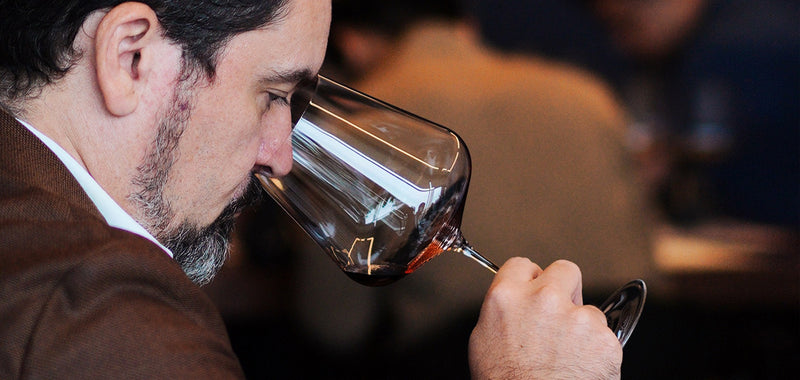
So, how do you actually spot the difference when you take a sip? The first clue is a concept known as complexity. A commercial wine usually has a straightforward flavour, like grape juice or vanilla.
A fine wine changes as you hold it in your mouth. At first, you may experience a hint of cherries, followed by perhaps some spice, and then a hint of earthiness. It is a journey of flavour rather than a single note.
Checking for Balance and Spirit
The next thing to look for is balance. In a fine bottle, nothing should stick out too much. There should be a harmonious effect of their acidity, the alcohol and the fruitiness.
Commercial wines tend to either scald your throat with alcohol or taste syrupy sweet, concealing flaws. A well-made wine feels smooth and structured. It feels complete.
This is often because the winemaker respects the spirit of the land. They might use organic farming methods to keep the soil healthy. Natural soil yields grapes of more character and life.
The Finish Tells the Truth
The final test is the "finish." This refers to how long the taste lingers after swallowing. Commercial wines usually disappear immediately, like water.
A rare or high-quality wine lingers on your palate. You can still taste the fruit or the spice for thirty seconds or more. This long finish is the hallmark of a great selection.
Making Every Occasion Special with the Right Wine
Context matters when you are choosing a drink. A simple, easy-drinking white might be fine for a quick Tuesday night dinner. But some moments demand something more.
A special occasion deserves a wine that tells a story. You desire a bottle that will spark a conversation and contribute to a better environment. It turns a regular meal into a memory.
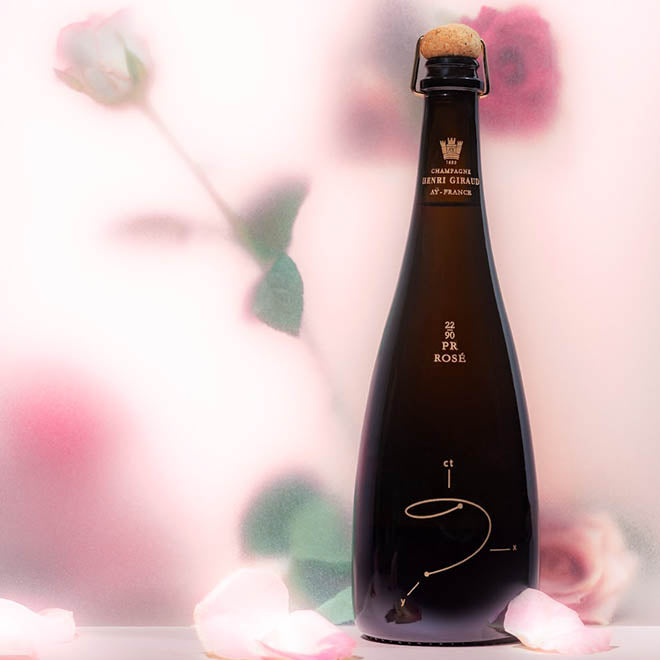
Imagine popping the cork on a grower Champagne to celebrate a promotion. Unlike the big commercial brands, a grower Champagne reflects the specific style of a family. It brings a unique energy to the party.
If you are hosting a dinner party in Singapore, the right pairing creates magic. A daring red with steak or a fresh white with seafood takes the food to the next level. It lets your guests know that you made an effort towards the evening.
This is where a specialised shop beats the supermarket every time. You get access to wines that were crafted for these specific moments. You stop buying a beverage and start buying an experience.
Our Collection: Expert Recommendation and Offer
We understand that the world of wine can be confusing. That is why we do the hard work for you at PIVĒNE. We view ourselves as your personal gateway to the world's best vineyards.
Our collection is not just a random list of brands. It is hand-picked exclusively by Sommeliers who know exactly what makes a bottle great. We taste everything before it reaches our virtual shelves.
From Old World to New World
We seek out the best producers worldwide. We have strong relationships with historic Châteaux in the Old World of Europe. These producers have centuries of tradition behind them.
But we also love the energy of the New World. We import exceptional wines in Australia, New Zealand, and other countries. These places are creating vibrant, thrilling wines that are coming out and shaking the old tree.
We look for "Sommeliers' Picks"—the hidden gems that offer incredible value. We want to provide you with a recommendation you can trust completely. Our goal is to build an internationally recognised portfolio.
Discovering Great Deals
You should check our site regularly for new offers. We update our deals to showcase a variety of styles and regions. It is the best way to expand your palate without breaking the bank.
We filter out the bad stuff so you don't have to waste money on bad bottles. When you browse our site, you are looking at a pre-approved list of winners. Quality is our only metric.