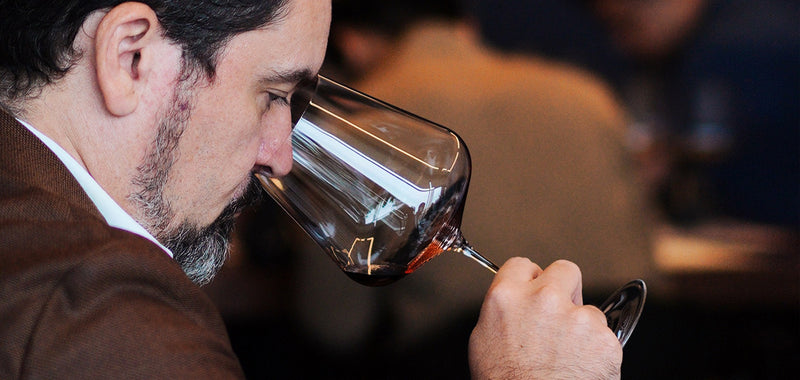
Get into a serious wine tasting room, and you are bound to see something interesting. At the mention of Burgundy, even the cynical professional becomes misty-eyed. It is not because these wines are the most expensive. Instead, Burgundy has gained a lot of respect over the centuries for not compromising on quality. The difference with burgundy wines is the careful attention to every detail: the way they are grown, the place where they are grown, and the strict rules that govern each bottle.

The mythological position of the region is based on three cornerstones, namely centuries of winemaking skills, over-the-top-classification systems, and the philosophy that terroir is the most important thing. All over the world, sommeliers compare all wine regions with Burgundy. It's simply the gold standard.
The Complex Classification System That Sets Burgundy Apart
The classification system in Burgundy is one of the most complicated systems in the world. The hierarchy of Burgundy wine is not marketing, but a legally binding set of quality, price, and prestige that is very exact. Grand cru wines are at the top, and they are the best parcels of vineyards. The premier cru choices are one notch lower with regional and village-level appellation wines that continue to be of superior quality.
The rules of the AOC (Appellation d'Origine Contrôlée) do not leave any chance. These laws stipulate the type of grape varieties to be planted, the distance between vines, the largest harvest, and the alcohol content. It is a quality assurance that is enshrined in the law. This classification system is valued by sommeliers since it ensures authenticity on all levels. The grand cru wine of Burgundy is a centuries-old tradition and promise on the part of the government.
The Art of Terroir: Why Location Matters
Terroir is more of a philosophy than a wine term in Burgundy. Terroirs of Burgundy refer to all the surroundings around a vineyard: soil structure, soil elevation, soil aspect, and climate. The existence of two vineyards, separated by a rock wall, makes significantly different wines due to slight changes in the terroir. It is this difference which made Burgundy different.
The number of named climats, officially recognised in Burgundy, is more than 1,200 - an individual block of vineyards with its own unique characteristics. Knowledge of climates enables winemakers to bring each location to its real personality. The winters are freezing, and the summers are hot, which makes it the best environment to have premium grape varieties. The composition of soil- limestone to clay- determines the flavour profiles and structure of the final product of Burgundy wine.
Burgundy's Premier Wine Regions and Appellations
Côte de Nuits and Côte de Beaune: Burgundy at the Heart
Côte de Nuits is the Burgundy region’s capital of red wine production. The most famous of the grand cru wines are Gevrey-Chambertin, Vougeot, and Romanee-Conti. These wines are the most beautiful expressions of pinot noir and of the nuanced terroirs from which they come.
The Côte de Beaune is a highly versatile one. This section yields beautiful red wines and great white wines. Names of the grand cru vineyards such as Corton, Meursault, and Montrachet are respected all over the world. Volnay and Nuits-Saint-Georges produce elegant red wine, surprisingly with finesse, and white wine has a pure mineral character.
Chablis: The Capital of The White Wine.
Chablis is a wine that is produced under strict rules of appellation, producing white wines of unparalleled purity. Chardonnay grapes grow in cool climates; thus, the wines are crisp and mineral in nature. Occasionally, there is the Sauvignon Blanc, but Chardonnay reigns supreme. Chablis Premier Cru is of great value, and it does not compromise the quality standards.
Beaujolais and Sparkling Alternatives
Beaujolais does not do the same, but its unique gamay grape varieties do. This area also yields delicacies of rosé wines, which depict the lighter face of gamay. Cremant de Bourgogne provides a Burgundy wine region in a sparkling, carbonated form to those who seek the sophistication of this wine region.
The Grape Varieties That Define Burgundy Wines
Red Wine Excellence
The red wine production of Burgundy is composed of Pinot noir. Such temperament diversity requires certain conditions: cool climate, good drainage, and prime terroir. The winemaking philosophy of Burgundy focuses on minimal intervention, and Pinot Noir is thus able to show the actual character of its vineyard. This is the reason why sommeliers believe in Burgundy red wine compared with its rivals because of their devotion to terroir-driven winemaking.
White Wine Mastery
Chardonnay is the most excellent white wine grape of Burgundy. The region has mastered the production of Chardonnay in different terroirs, producing very diverse styles. Aligote and white noble add flavour to the white wine in Burgundy. The processes used to make white wine, such as the time of harvesting to the temperature of the fermentation process, are all geared towards quality improvement.
Rosé and Specialty Production
Production of rosé involves the use of the best vineyards and winemaking. These grape varieties, which are considered to be specialty, are still very infrequent and more and more collectible.
PIVĒNE's Curated Selection of Burgundy Wines
At PIVĒNE, our sommeliers individually select Burgundy wine in the region of the most esteemed producers. Each bottle is evaluated with strict adherence to our standards. We have a range of portfolios that have distributable village-level wines, exclusive selections of grand cru, and emerging domaines.
By purchasing burgundy wines via PIVĒNE, customers will have a chance to access bottles that were selected by professionals with decades of experience. We operate with high-demand selections of Burgundy vineyard, which guarantees our community will be served exceptional bottles.
Our sommelier team will offer you personalised advice, either as a first-time wine-drinker of Burgundy or as a lover of wine and looking to add to an existing collection. We assist the customers in purchasing the burgundy wines without any hesitation, as every choice has been tested carefully.
Conclusion
Sommeliers praise Burgundy wines since Burgundy spells uncompromising dedication to quality. The classification system, obsessive attention to terroir, and winemaking traditions make the wines of unsurpassed quality. All burgundy wine, whether in village-level appellation wine or high-end grand cruise wine, is a demonstration of years of acquired knowledge.
Grand cru vineyard selections are in ever-growing demand. These wines are a source of flavour, terroir, and winemaking art. PIVENE welcomes you to experience our select burgundy wine collection under the guidance of an expert. Get in touch with us and get customised strokes of burgundy wines based on your taste and collection desires.

.jpg?v=0)
.jpg?v=0)