Burgundy is a place where tiny plots of land tell big stories through flavour. No wine country can match the ability of each bottle of Burgundy wine to capture soil, slope and season. This guide explains those flavours without all the jargon and how they're produced from the vine to the barrel to your glass.

The Burgundy Wine Region: An Overview
Burgundy is a patchwork of tiny vineyards with powerful terroir differences across the Côte d’Or, Mâconnais, Côte Chalonnaise, and more. The region produces red wines from pinot noir and white wines from chardonnay, and has strict appellation rules that influence the style and quality of its wines.
Grape Varieties And Terroir
Pinot noir and chardonnay are the star players in most Bourgogne vineyards, but each parcel is different due to the local clones and soils. Each vintage's acidity, texture and aromatic profile is influenced by terroir: the soil, slope and microclimate.
Vineyard Work And Appellation Rules
The quality chain begins in Burgundian viticulture with pruning, canopy management, and yield control. Appellation laws govern allowed practices, including whether a plot can be classified as village, premier cru, or grand cru.
The Vintage Factor
Vintages vary from year to year, so there is considerable variation between the Bourgogne and Chablis zones. A vintage will determine the ripeness of the tannins in red burgundy and the acidity in white burgundy, as well as whether to enjoy it now or in the future.
Harvest And Sorting
Every parcel of land is unique, and grape harvesting is often done by hand on steeper parcels. Sorting is done at the harvest site by removing any damaged or underripe grapes. This helps maintain the wine's flavour.
Destemming, Crushing, and Fermentation
In Burgundy, grapes are first destemmed to allow Pinot Noir wines to retain their aromatics. Cold macerations help sharpen the colour and fruit in Burgundy. The choice of fermentation vessel greatly influences Burgundy's style, as winemakers have great latitude in their oak, temperature, and yeast choices.
Maceration And Extraction
In red Burgundy, maceration time provides tannin and body, and the careful punchdowns or pump-overs are intended not to extract tannin, but to do so gently and with care. Pinot noir has a light, delicate perfume, best preserved by small-scale handling.
Barrel Ageing And Oak Choices
Burgundy plays a significant role in oak influence in winemaking, especially for the premier cru and grand cru white wines. Burgundy's winemakers will have great control over ageing time and texture.
Lees Contact And Malolactic Conversion
Stirring the lees adds weight to Burgundy Chardonnays, while in many Burgundy whites, malolactic conversion helps soften acidity. These help define the creamy texture in Meursault or the steely clarity in Chablis.
Blending and éLevage
Blending can occur after fermentation, or the wine can be kept separate per clos, vineyard or barrel to maintain identity. Élevage, or maturation, smooths tannins, helps integrate them, and prepares the wine for bottling.
Bottling And Cellaring Decisions
Each winemaker has their own philosophy on when to bottle. For red Burgundies, the delicate aroma means the wine should be bottled after as little handling as possible. A cellaring strategy is based on the vintage and appellation, but most grand crus will be best after several decades.
Reading A Label And Choosing A Bottle
A label will show the name of the appellation (for example, Beaune or Vougeot) as well as the classification (premier cru or grand cru). With a bit of background knowledge of these classifications, a consumer can select the appropriate red Burgundies, white Burgundies, or Bourgogne wines.
How Burgundy Differs From Bordeaux
Vineyards in Burgundian wines are typically much smaller and focus on a single varietal. Bordeaux is home to many large châteaux that focus on blended varietals. Because of these differences, Burgundian wines show vintage and terroir much more clearly.
Guide To Burgundy Wine Styles
Whites can range from Chablis's flinty acidity to Montrachet's richness. Vintage status and cru influence price as well as the duration of optimal drinking.
Practical Tasting And Service Tips
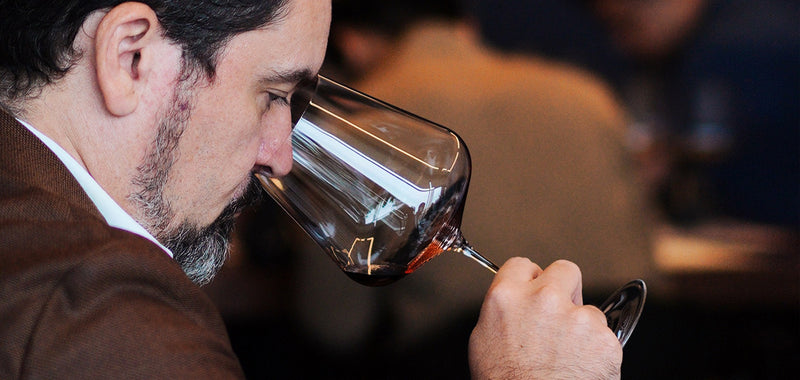
Serve red Burgundy slightly cool and white Burgundy well chilled. Young burgundy wines benefit from decanting, while aged wines should only be decanted briefly to avoid losing delicate aromas..
About us — PIVĒNE
PIVĒNE curates and sells fine wine online, offering secure shipping and careful provenance on each listing. Our team sources burgundy wines, Bourgogne bottles and rare vintages, and provides clear product descriptions to help customers choose with confidence.
Closing Note
Learning the steps of winemaking enables you to read a wine label and select the appropriate wine for a meal or a cellar. Who would need to do much searching when PIVĒNE can help you find and verify the authenticity of your Burgundy bottles?