Knowing fine wine varieties matters in Singapore, where the right pick elevates a meal, matches the heat, or impresses at events—over 100 million bottles arrive each year to meet that demand. It helps navigate shops stocked with reds, whites, sparkling wines, rosé, dessert wines, spirits, and sake, picking out what truly shines. This guide lists the rulers, unpacking their profiles, origins, and spot-on local pairings. They fill shelves and tables across the city, ready to pour.

Red Wine: The Bold Leaders
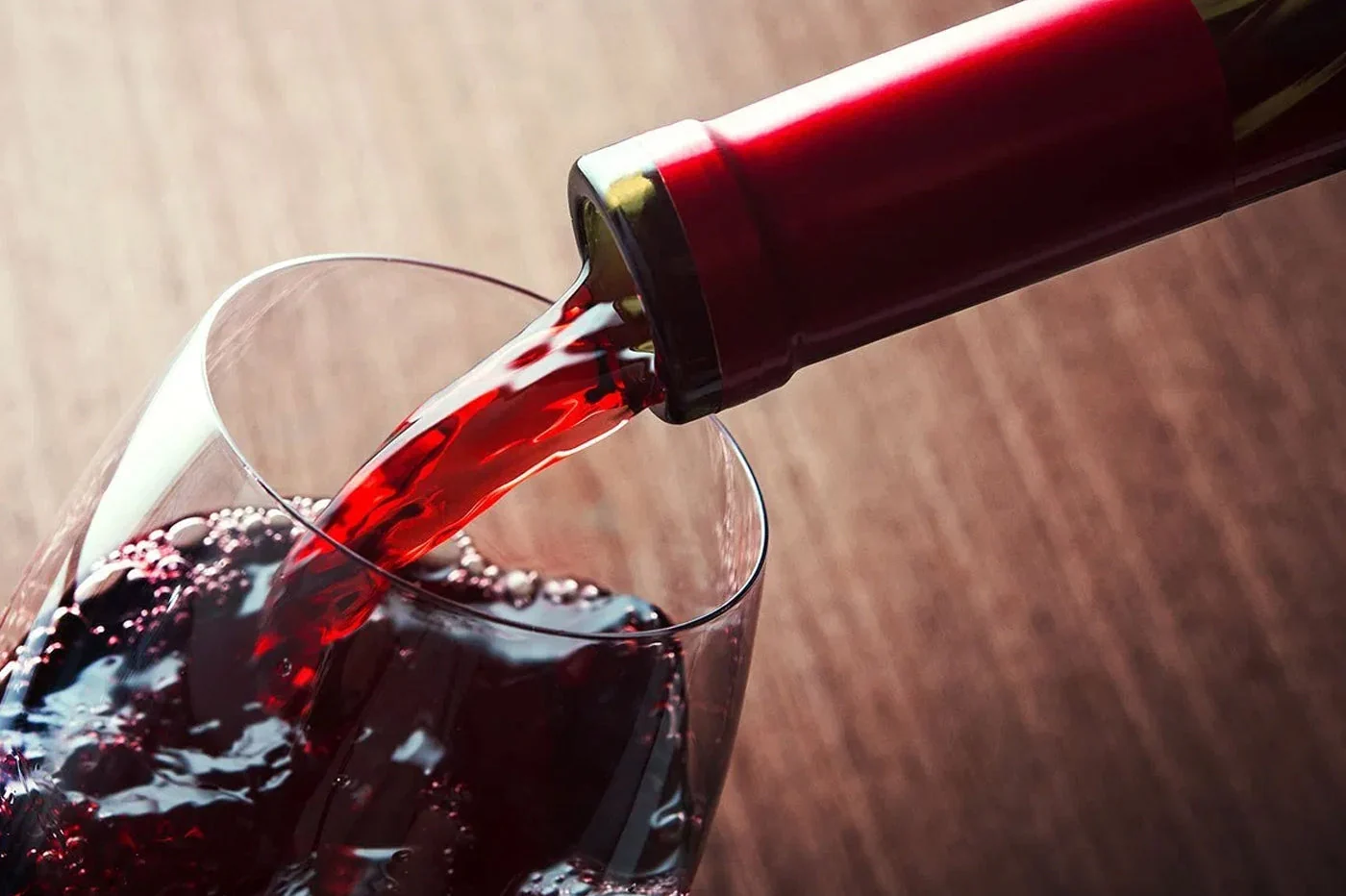
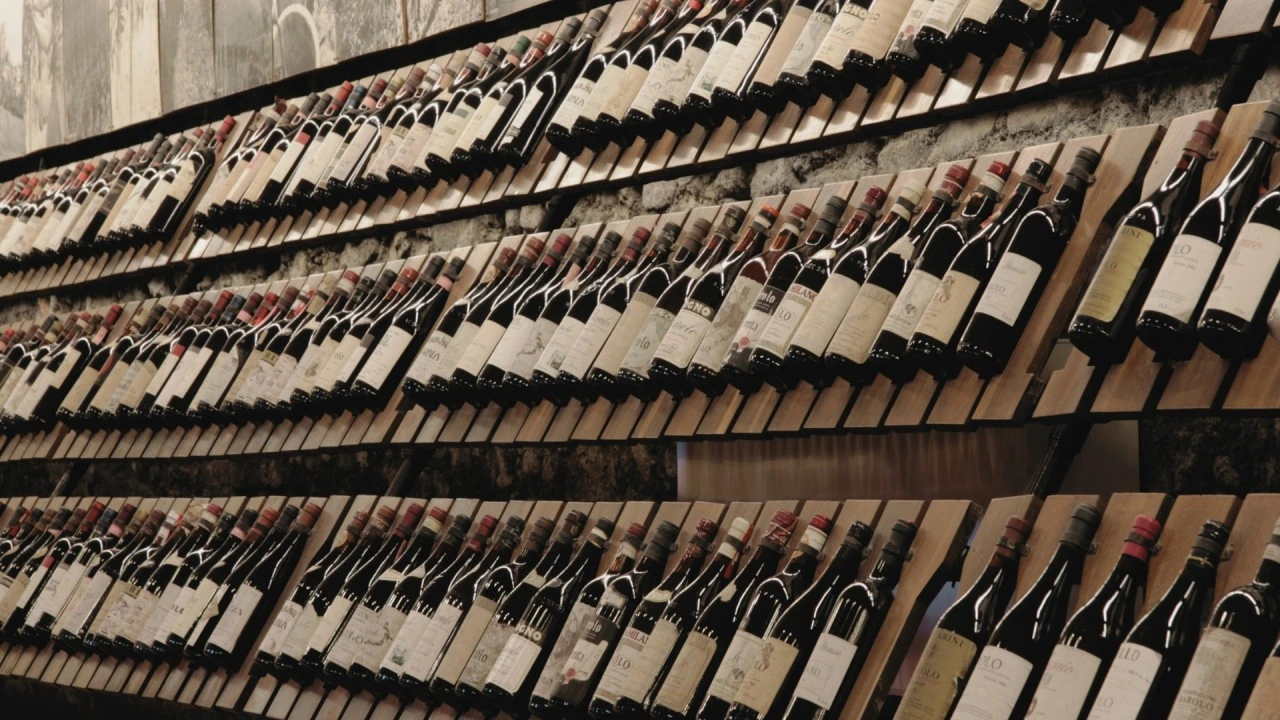
Bordeaux (Cabernet Sauvignon-dominant blends): A perennial favourite among collectors and diners for its structure and ageability. Tastes of blackcurrant, cedar and firm tannins make Bordeaux a go-to for formal dinners, celebrations, and auction buyers.
Pinot Noir (Burgundy and New World): Valued for its versatility and elegance. Lighter-bodied pinot noirs from Burgundy and cooler New World regions are popular at bistros and intimate dinners, prized for red-fruit clarity and food-friendliness.
Malbec and Shiraz/Syrah: Heavier, fruit-forward reds—especially from Argentina and Australia—are well-suited to casual dining, grilled meats, and weekend gatherings because they offer bold flavour at accessible price points.
White Wine: Fresh and Alive
Chardonnay (Burgundy and New World styles): Highly popular across restaurants and retail. Oaked, creamy Côte de Beaune styles attract those seeking richness, while stainless-steel New World chardonnays sell well for brighter, fruit-driven profiles.
Sauvignon Blanc (Loire and New Zealand): A bestseller for its crisp acidity and aromatic intensity. Its refreshing character matches Singapore’s heat, making it a top pick for daytime dining, seafood, and alfresco sipping.
Riesling: From dry to off-dry styles, Riesling has a loyal following for its aromatics and food compatibility. German and Alsace bottlings, as well as New World examples, often appear in wine bars and specialist shops.
Sparkling Wine: Pure Celebration
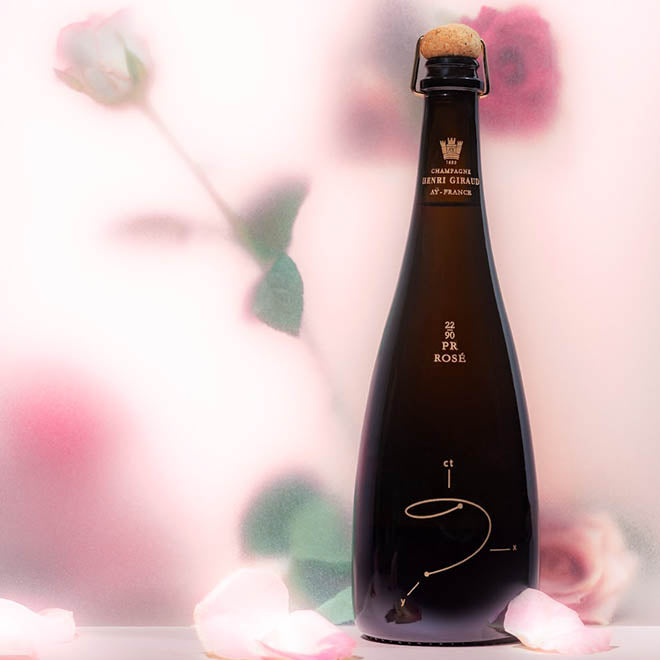
Champagne: The luxury benchmark for celebrations and gifting; high-end cuvées do well among collectors and corporate buyers.
Prosecco and Cava: Popular for casual celebrations, brunches, and bars because they offer approachable bubbles and value.
Rosé: Sun-Kissed Ease
Provençal-style rosé leads sales for its dry, light profile and broad appeal. Rosé’s versatility has made it a staple at outdoor events, poolside venues, and casual dining spots across the city.
Dessert Wine: Sweet Indulgence
Port, Sauternes, and late-harvest wines find their place among collectors and fine-dining menus. They sell steadily for gifting, dessert pairing, and collectors seeking age-worthy bottles.
Spirits: The Strong Allies
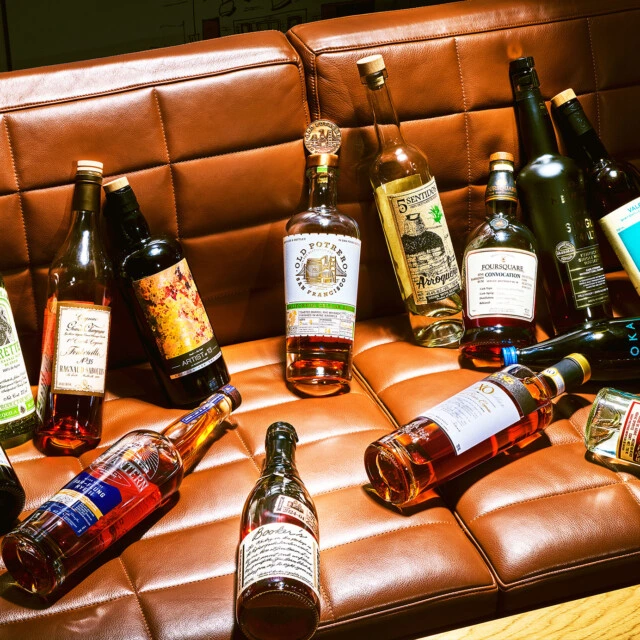
Whisky, gin, and premium rums are strong sellers in bars and as corporate gifts. Singapore’s cocktail culture sustains demand for both classic and craft spirits.
Sake: Subtle Magic
Growing in popularity thanks to the city’s thriving Japanese dining scene. Junmai ginjo and daiginjo styles are commonly stocked by sushi bars and speciality retailers.
What Makes Them Rule Here
Climate suitability: Crisp, high-acid whites and lighter reds perform well for daytime consumption in a humid, tropical climate.
Dining culture: Singapore’s fusion and hawker cuisines require flexible wines that pair with intense flavours; wines with bright acidity and clear fruit profiles sell better.
Market structure: A mix of luxury collectors, expatriate tastes, tourism-driven dining, and broad retail availability shapes what’s stocked and promoted — from grand cru champagnes to reliable New World bottles.
Value tiers: Consumers buy across price points — premium bottles for special occasions, mid-tier wines for regular dining, and entry-level bubbles or rosés for casual gatherings.
Find Them at PIVĒNE
PIVĒNE lists many of these top varieties — from champagne and Burgundies to New World crowd-pleasers and sake — making it easy to shop by occasion, price, or food pairing.